Atidiv
A UX/UI design case study on redesigning the digital presence of a global outsourcing solutions provider to strengthen brand identity, drive conversions, and align visual strategy with their service approach. Timeline: January 2023 – April 2023 (4 months) My Role: External UX/UI Design Consultant Client: Atidiv Engagement Type: Independent design consultancy from brief to design delivery
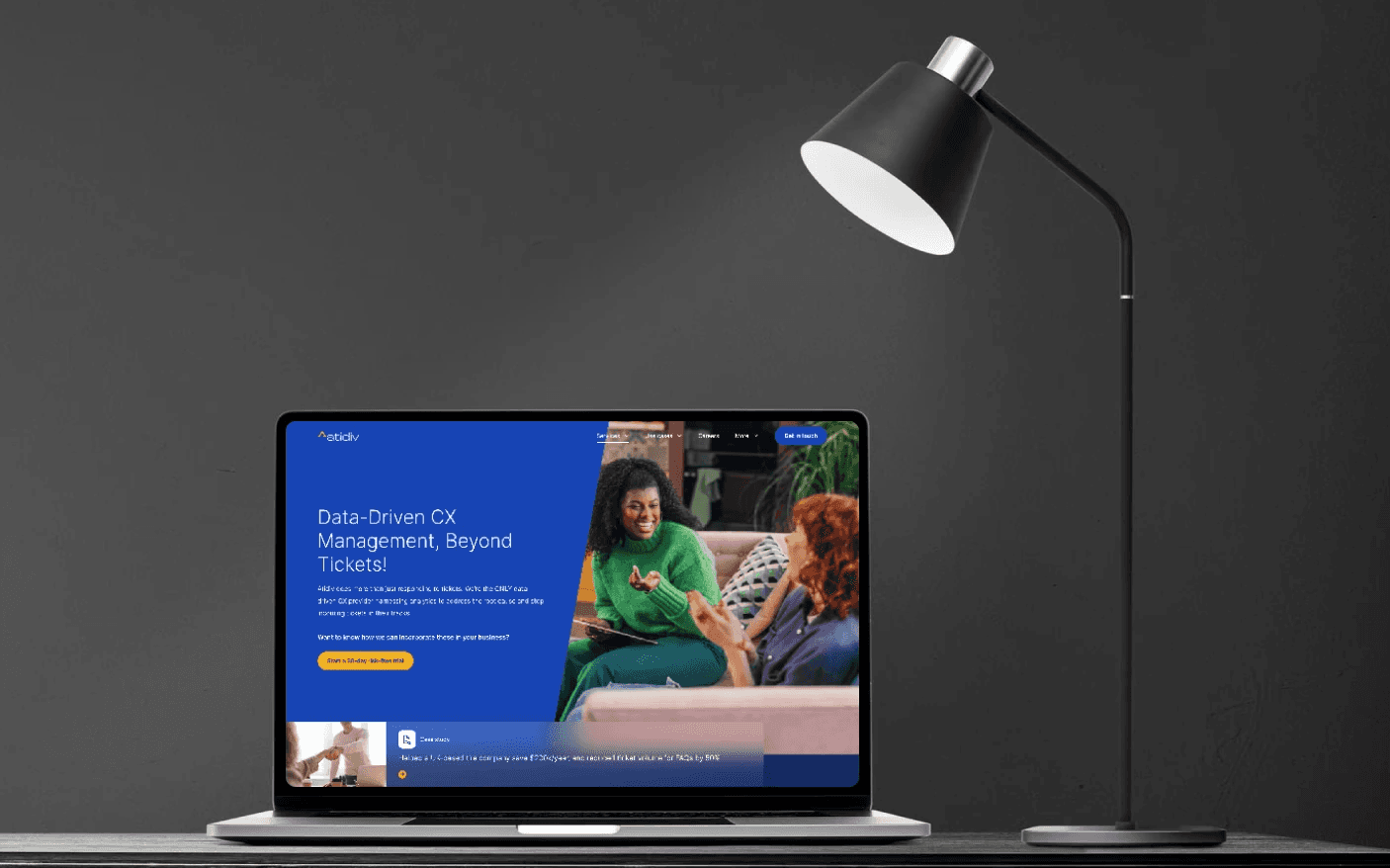
About Atidiv
Atidiv helps businesses scale smarter with tech-enabled, data-driven outsourcing solutions. The company quickly onboards expert teams, integrates them into client operations, and delivers tailored services across industries enabling faster growth, operational efficiency, and measurable results.
The Design Challenge
Atidiv faced significant challenges in achieving their business goals due to an insufficient digital brand identity. Their existing website was failing to effectively communicate their value proposition, resulting in poor user engagement and missed conversion opportunities.
Key Problems Identified:
Inconsistent visual identity across digital touchpoints
Content that didn't align with their service approach
Poor user journey optimization
Lack of mobile-responsive design
Unclear communication of business offerings
Project Brief
Primary Objective: Revamp Atidiv's digital presence to boost sales, enhance user engagement, and improve conversion rates.
Scope: Complete website redesign focusing on:
User-friendly interface design
Visual strategy alignment with brand identity
Content tonality optimization
Strategic conversion optimization
Cross-device compatibility
Success Criteria:
Cohesive brand representation
Improved user navigation
Enhanced mobile experience
Clear value proposition communication
Design Process
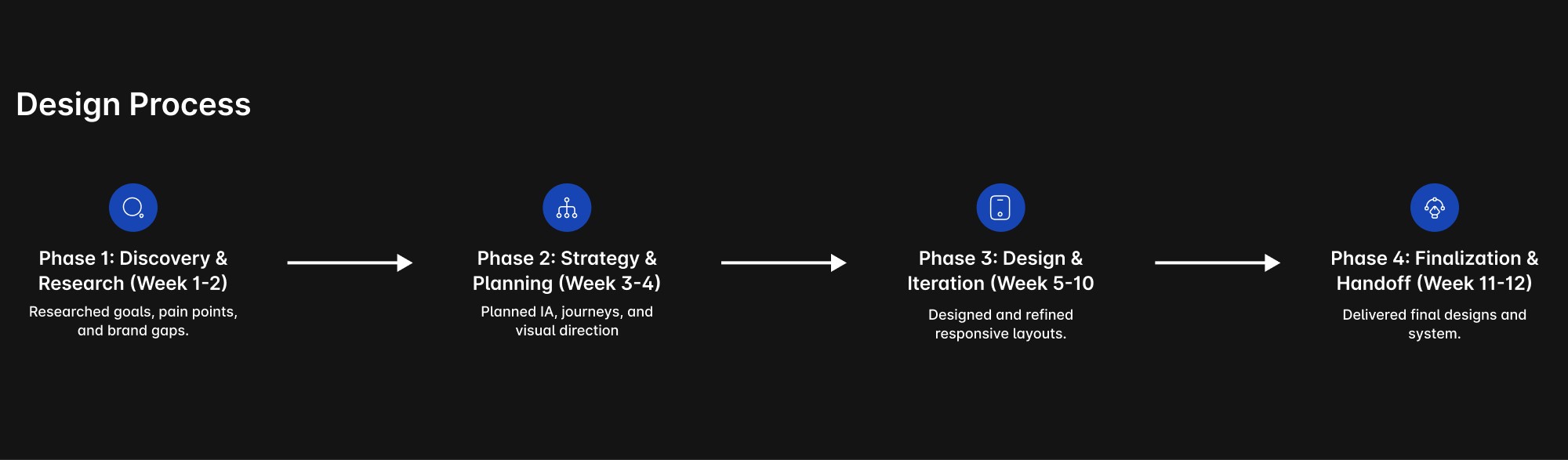
Phase 1: Discovery & Research (Week 1-2)
Activities:
Stakeholder interviews to understand business goals
Competitive analysis of industry standards
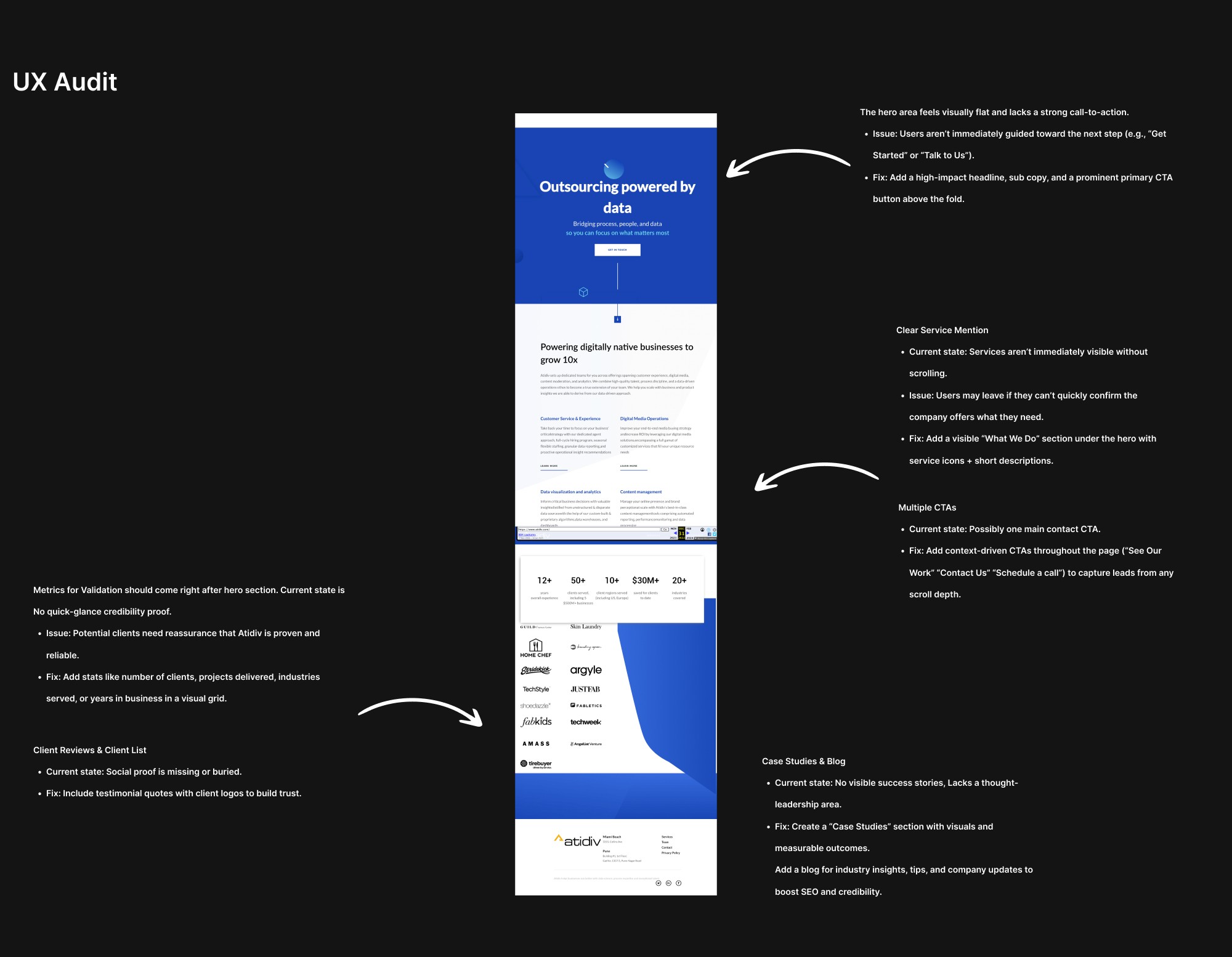
Current website audit and pain point identification
Brand guideline review and analysis
Key Insights:
Existing visual identity lacked consistency
Navigation structure confused users
Content didn't reflect Atidiv's expertise level
Mobile experience was significantly compromised
Phase 2: Strategy & Planning (Week 3-4)
Activities:
Information architecture restructuring
User journey mapping
Content strategy development
Visual design system planning
Deliverables:
Site map with optimized navigation structure
User flow diagrams
Content strategy document
Visual design direction
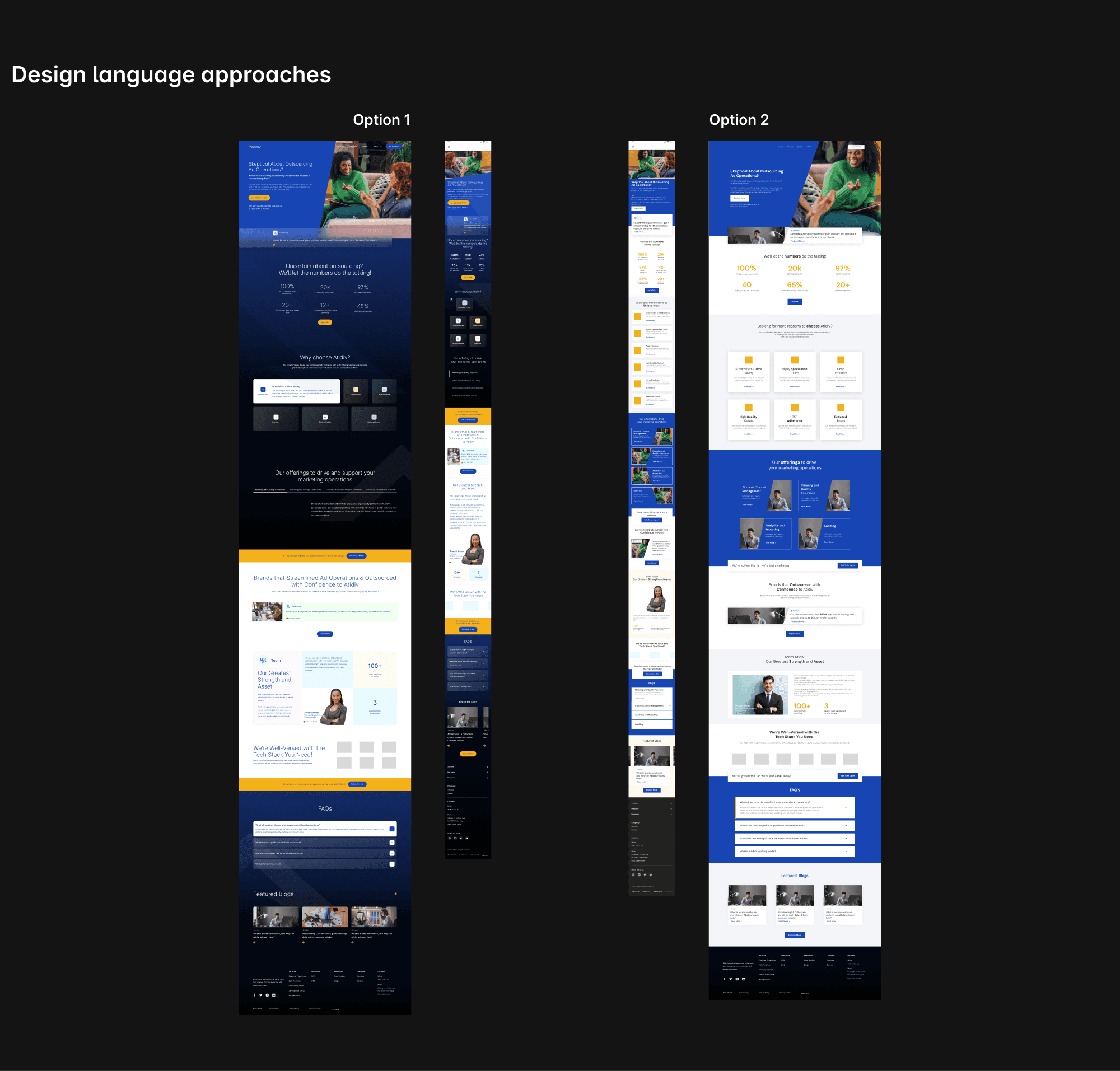
Phase 3: Design & Iteration (Week 5-10)
Activities:
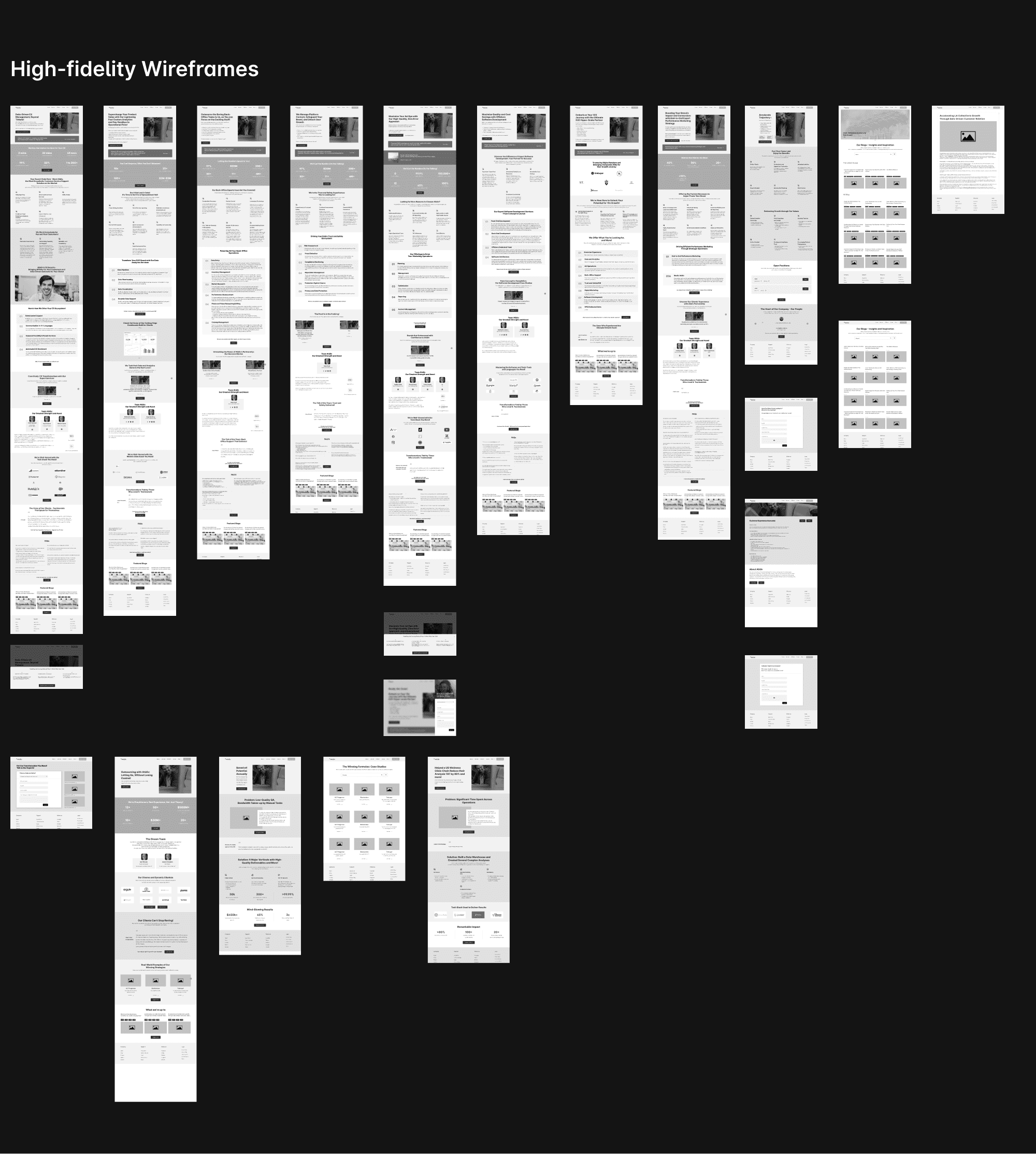
Wireframe development
Visual design creation
Iterative design refinement
Stakeholder feedback integration
Responsive design adaptation
Content Strategy:
Aligned messaging with Atidiv's service approach
Focused on clear, concise value proposition communication
Optimized content for both user engagement and conversion
Visual Identity Refinement:
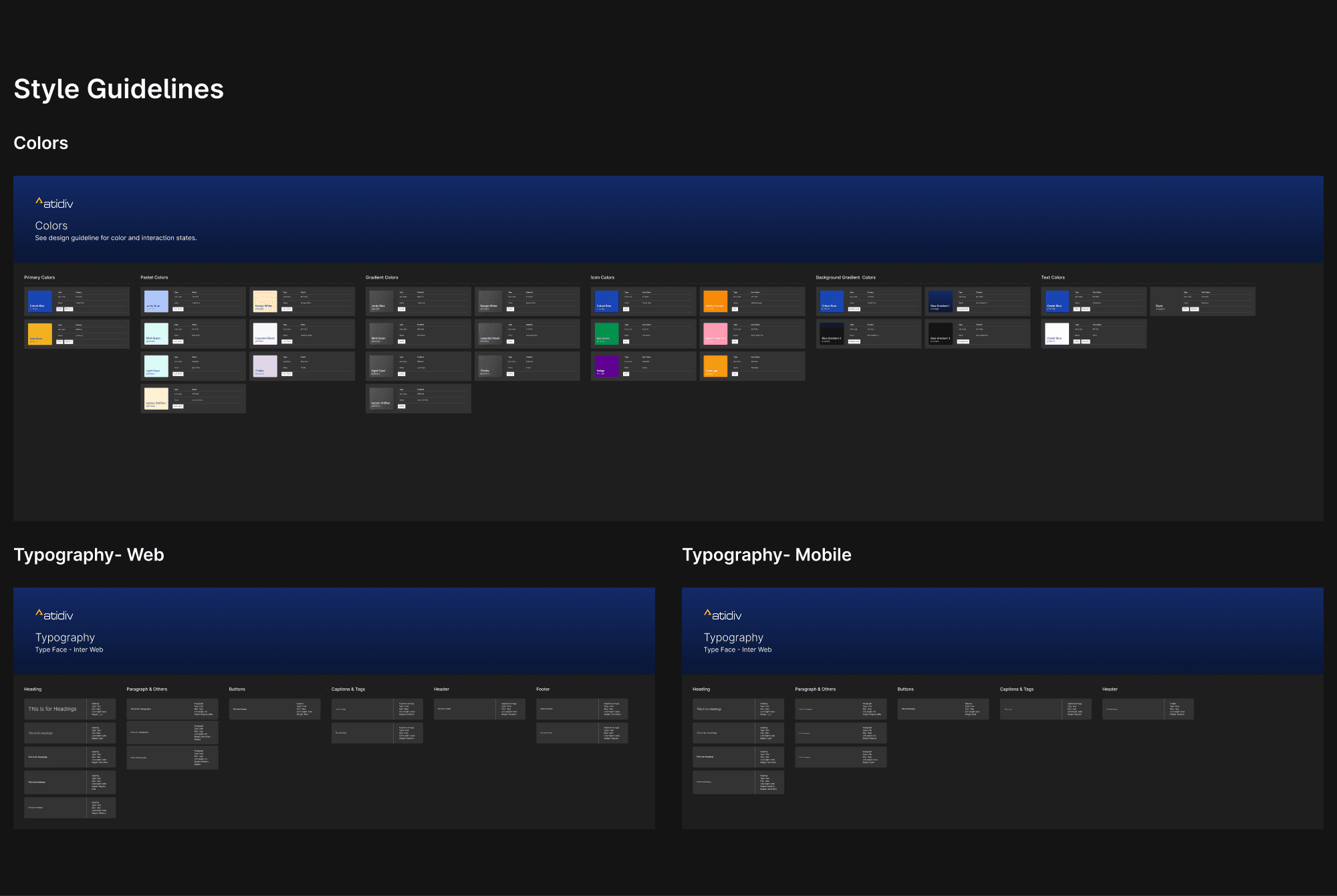
Developed cohesive color palette and typography system
Created consistent visual elements across all pages
Established clear hierarchy and spacing guidelines
User Experience Optimization:
Redesigned navigation for intuitive user journeys
Prioritized key conversion points
Streamlined information access paths
Phase 4: Finalization & Handoff (Week 11-12)
Activities:
Final design polish and approval
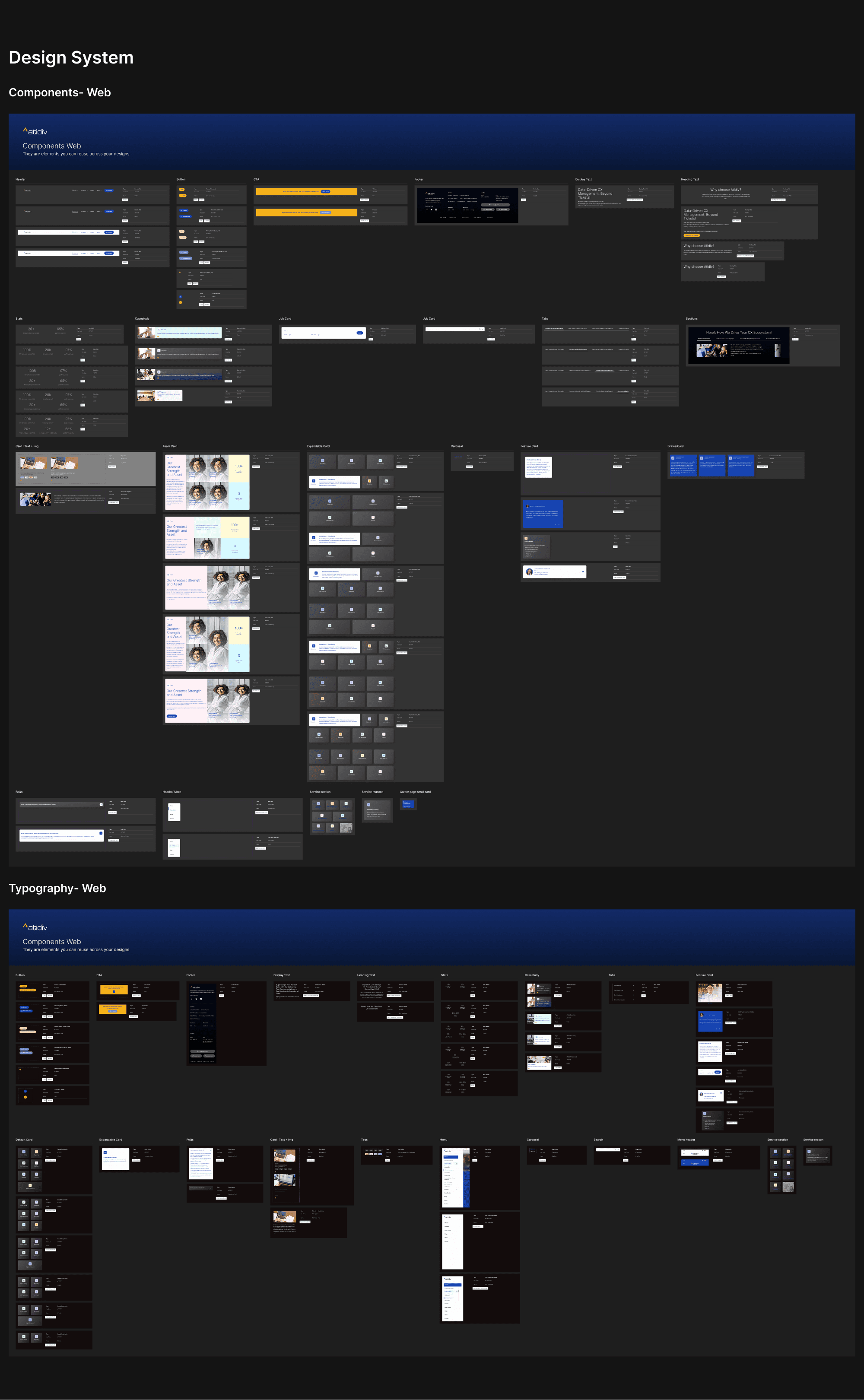
Design system documentation
Asset preparation and handoff
Implementation guidelines creation
Key Features Delivered
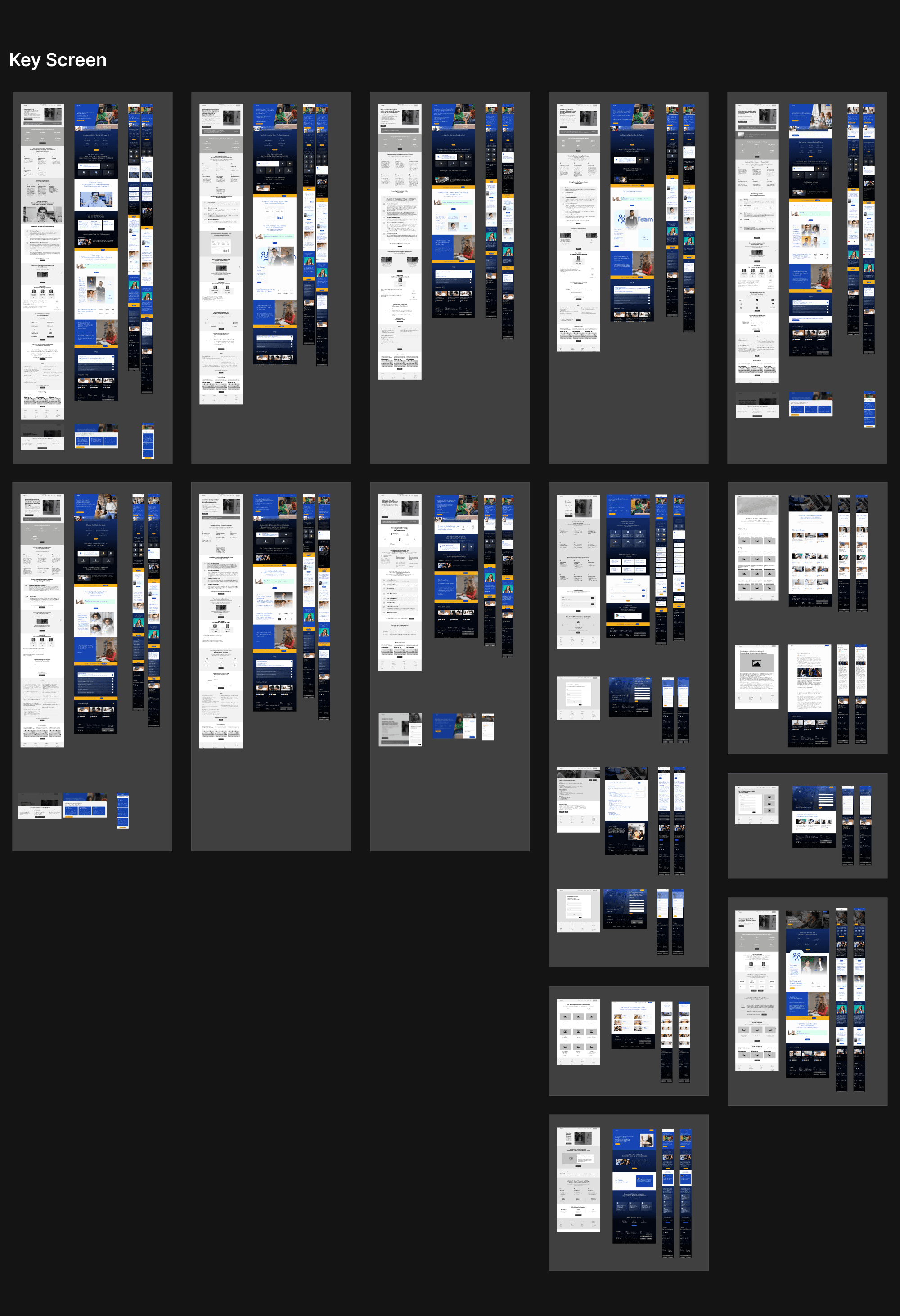
Service Showcase
Comprehensive presentation of Atidiv's offerings with emphasis on expertise and differentiation, strategically positioned to drive conversions.
Interactive Elements
Engaging components designed to encourage user exploration and deeper understanding of services, including hover states, micro-interactions, and progressive disclosure.
Strategic Contact Points
Clearly defined and accessible contact opportunities throughout the user journey, optimized for lead generation.
Visual Media Integration
Strategic implementation of imagery and multimedia to support content and create an engaging, professional experience.
Responsive Design
Seamless adaptation across desktop, tablet, and mobile devices ensuring consistent brand experience.
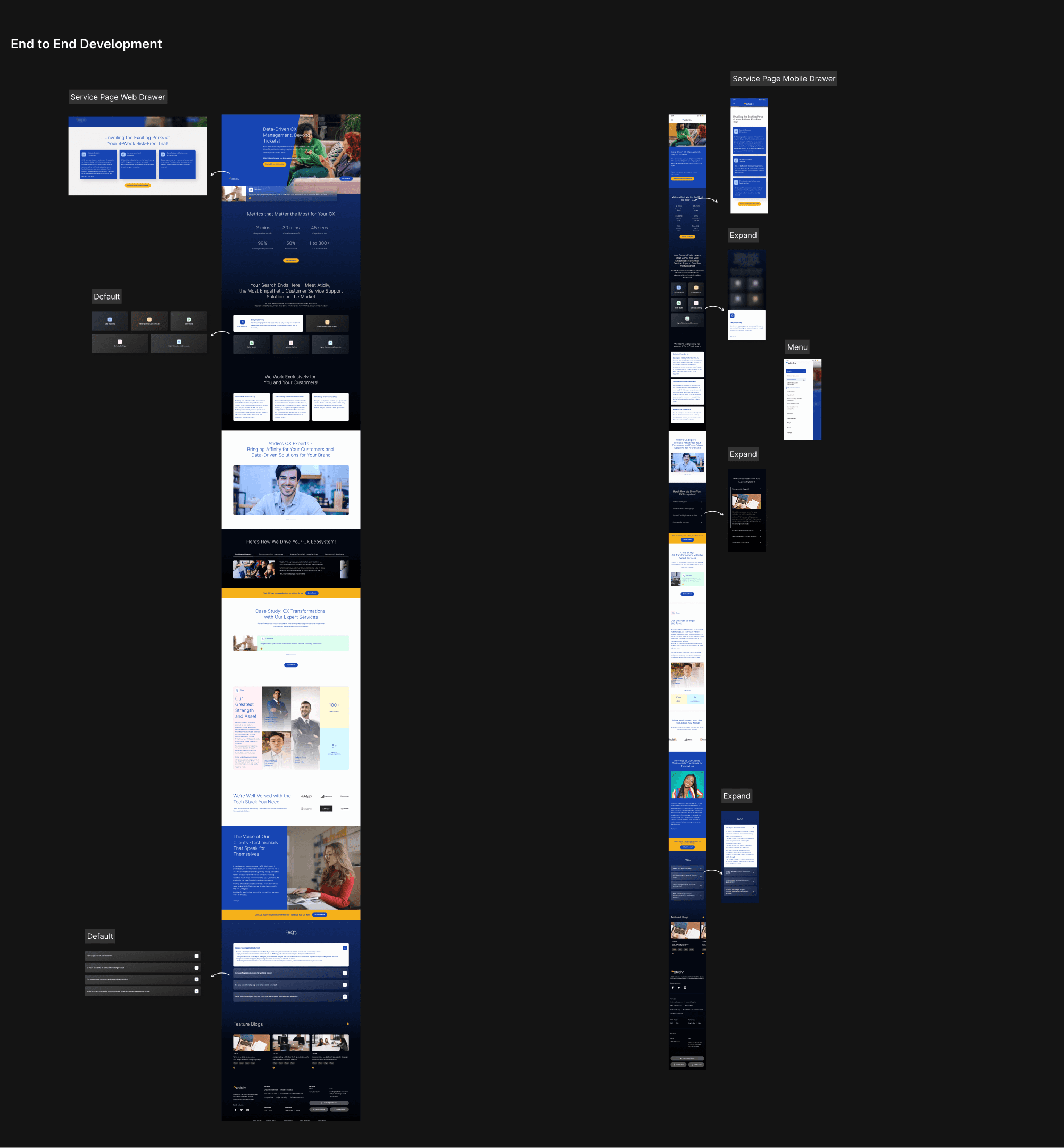
Design Challenges & Solutions
Challenge 1: Visual Consistency
Problem: Achieving cohesive visual identity across all touchpoints
Solution: Developed comprehensive design system with clear guidelines for colors, typography, spacing, and component usage
Challenge 2: Content Alignment
Problem: Ensuring content resonated with Atidiv's professional service approach
Solution: Collaborated closely with stakeholders to refine messaging strategy and tone of voice
Challenge 3: User Journey Optimization
Problem: Creating intuitive navigation for complex service offerings
Solution: Implemented user-centric design principles with clear information hierarchy and logical flow paths
Challenge 4: Mobile Responsiveness
Problem: Adapting complex desktop layouts for mobile consumption
Solution: Mobile-first approach with progressive enhancement for larger screens
Learnings & Reflections
Project Outcome
The final design exceeded initial expectations through multiple iteration cycles. The comprehensive redesign successfully established a strong digital brand presence that aligned with Atidiv's business objectives.
Key Achievements
Cohesive visual identity system implementation
Streamlined user experience with clear conversion paths
Professional presentation matching service quality
Fully responsive design across all devices
Strategic content organization supporting business goals
Personal Growth
This project reinforced the importance of thorough stakeholder collaboration when working as an external consultant. The iterative design process allowed for continuous refinement and ultimately delivered a solution that truly represented Atidiv's brand values.
Key Design Takeaways
Working without access to internal metrics required more reliance on qualitative feedback and stakeholder insights. This experience strengthened my ability to make design decisions based on business requirements and user experience principles rather than purely data-driven approaches.
Note on Metrics & Data Access
As an external design consultant on this project, I worked independently from brief to design delivery without access to internal teams or post-launch analytics. This is typical for consultancy engagements where the consultant delivers design solutions and hands them off to internal teams for implementation. The only data I gathered was during my own user research phase, as this was essential for informing design decisions. This case study focuses on my independent design process, methodology, and the qualitative insights I was able to gather during the consultancy engagement.